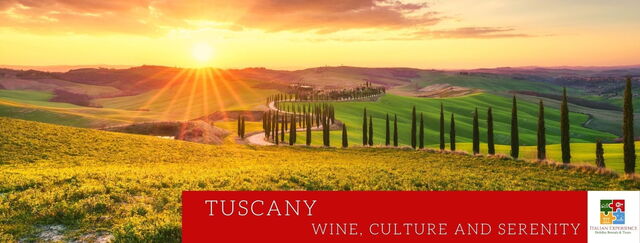
Tuscany
Local Cuisine The region's food is delicious; many of the typical recipes are famous all over the world and they range from antipasti (starters) all the way to desserts, try crostini (small pieces of toast with liver,olive or tomato paste) to start, followed by 'pici' (thick pasta from Siena), and then a 'bistecca alla Fiorentina' (a huge T-bone steak grilled with a little olive oil and herbs).End the meal with some pecorino cheese from Pienza, drizzled with a little honey, or cantucci (small almond biscuits) served with vin santo, a dessert wine. Tuscan wines are notably famous and it is worth stopping off at one of themany vineyards to sample the product! From Chianti Classico to Nobile di Montepulciano, to Brunello, the choice of red wines is staggering in this region and with plenty of vineyards offering the chance to sample the product, you will no doubt come across some little-known gems.
Festivities From village events to celebrate the 'vendemmia' (grape harvest) to renowned music festivals, there is something to entertain everyone. Famous events include the Palio in Siena, Umbria Jazz Festival (Perugia), the Cortona Tuscan Sun Festival and 'La Notte Bianca', a September night in Rome when nothing closes and the streets are full of music. The historic hilltop towns are perfect settings for medieval pageants that evoke times gone by. Whatever the event, you will be sure that music, fireworks, food and wine all play an important part.
Climate Spring is a wonderful time to explore: wildflowers carpet the meadows, the air is fresh and the temperatures perfect for days out sightseeing. Summer is hot and dry, with temperatures that sometimes exceed 30°C.This warm weather often extends into September, prolonging the summer. Towards the end of the month and into October, the air becomes crisper. Getting there The principal airport for Tuscany is Pisa. The smaller airport in Florence is served by Meridiana and Ryanair fly to Bologna, one hour north of Florence. For our properties in southern Tuscany, Perugia and Rome are options with Fiumicino and Ciampino offering a variety of daily flights.
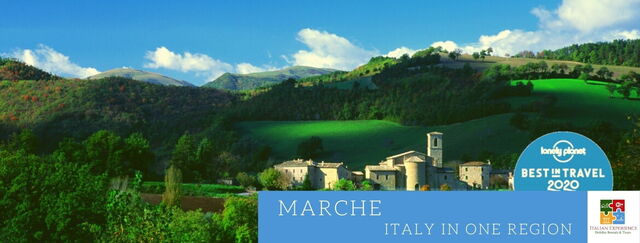
Le Marche
It's inland where Le Marche really shines. Urbino, Raphael's hometown, presents a smorgasbord of Renaissance art and history up and down its vertical streets. Pale but lovely Ascoli Piceno has beauty and history in bounds. Equally walkable is Macerata, with a famous open-air opera theatre and festival. Covering its western reaches, and bleeding over into neighbouring Umbria, is the wild and wonderful Parco Nazionale dei Monti Sibillini.
Local Cuisine
Marchigiano food is varied and inventive, a consequence perhaps of the fact that most rural families here had (and many still have) smallholdings with a few chickens, goats or sheep, a pig or two to butcher in the autumn, and a seasonal crop of broad beans, peas, peppers, tomatoes and other vegetables - not to mention good olive oil, and the occasional fish, either fresh or in the form of salt cod or anchovies in oil. This region exports chefs to the rest of Italy, and you'll eat well in even the humblest trattoria.What follows is the story of three days, each including one hotel, one lunch and one great place to explore.
Festivities
At the end of July Quintana celebrates every year one of Italy's most famous medieval festivals, and for good reason. Expect thousands of locals dressed in typical medieval garb: knights in armour, flag-throwers and ladies in flamboyant velvet robes. Processions and flag-waving contests take place throughout July and August, but the big draw is the Quintana joust, when the town's six sestieri (districts) face off.
Climate
Spring is a wonderful time to explore: wildflowers carpet the meadows, the air is fresh and the temperatures perfect for days out sightseeing. Summer is hot and dry, with temperatures that sometimes exceed 30°C. This warm weather often extends into September, prolonging the summer. Towards the end of the month and into October, the air becomes crisper.
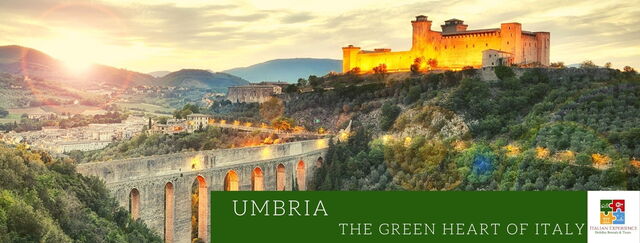
Umbria
Find the right inspiration on what to do and see in Umbria - sights, events, nature, sport, cuisine, handicrafts
Organise your stay in Umbria with us. Whatever your ideal holiday or stay, we can help you by providing advice, suggestions and small secrets for visiting the beauties of Umbria and making your holiday truly unforgettable, yet genuine.
The roots of the culinary tradition come from Umbrian and Roman civilisation and frequently include legumes and cereals. It can be divided into three categories which more or less correspond to the cultural heritage areas the region is divided into. Pork and the production of cured meats, especially in the area around Norcia (from which the Italian word ‘norcino', or producer or seller of cured meats, comes) is very typical.
Then there are the ‘noble' flavours that enhance the Umbrian cuisine, like truffles and fine extra-virgin olive oil. The latter being utterly indispensable in Umbrian cooking.
Each town and city in Umbria is home to hidden treasures of art, history, culture, tradition and cuisine waiting to be discovered
In every town in Umbria, be it large or small, there are unique hidden treasures made up of colours, sounds, aromas and flavours you'll discover only when you roam aimlessly through its streets and alleyways.
From the largest cities like Perugia, Terni, Foligno and Spoleto, to the smallest towns of the Valnerina like Poggiodomo, Arrone and Sant'Anatolia di Narco, or those that surround Lake Trasimeno, Todi and Orvieto, each one has some special characteristic, a detail that will make your journey through Umbria truly unique.
In the specific information devoted to each, you'll find three good reasons to visit them, as well as all the information you'll need to get a better understanding of the place you are visiting: its history and its importance from an artistic, cultural and environmental standpoint. A thrilling journey into the very soul of Umbria.
Nature trails in the parks of Umbria: itineraries and excursions to explore nature, history and tradition
Umbria is the "Green Heart of Italy" and is home to many parks and protected nature zones ideal for an adventurous holiday of exploration and discovery.
Umbria encompasses large part of the Monti Sibillini national park as well as seven regional parks: the park of Colfiorito, of Monte Cucco, Monte Subasio, the Tiber river park, the park of Monte Peglia and Selva di Meana, the park of Lago Trasimeno and the Nera river park.Each one has a different story to tell through its environmental and naturalistic features, the fascinating flora, fauna, streams and rivers, lakes and geological stratifications, the distinguishing aspects that are the essence of Umbrian parks, all of which are also home to historical and cultural remains linked to the great roads of the past.
Umbrian parks are home to unusual flora and fauna of great interest from a naturalistic point of view.
Come and enjoy the many parks with your friends and family, the nature that awaits you here is truly unique!
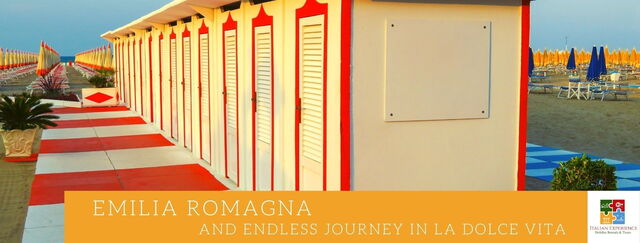
Emilia Romagna
History, nature, hospitality and entertainment: this is Emilia-Romagna
History, nature, hospitality and entertainment: info and links on everything you can find in Emilia-RomagnaThe region takes its name from Via Emilia, the ancient Roman road connecting the Adriatic Sea to the great plains of the north, running from Rimini to Piacenza: a territory lying between the Apennines, the Po and the Adriatic Sea, which has kept intact over time a rich heritage of traditions, customs and history.
The roots Etruscan, Celtic, Roman, Byzantine and Lombard make it unique and at the same time the multifaceted cultural physiognomy of this land. Bologna, Ferrara, Ravenna and all the other cities of the region are renowned destinations of cultural tourism, places whose history is breathed in the halls of palaces and is told from the walls that define the geometry of the city.
But the Emilia-Romagna is also the sea and fun. With over 100 km of beaches full of hotels, restaurants, discos, cinemas, theaters, is the Riviera of Italy, and its theme parks, aquatic and marine offer entertainment at 360 °.
Those seeking relaxation and well-being can be pampered in the more than 20 spas scattered throughout the country, from the hills of Parma to the sea of Rimini and Riccione.
Nature lovers has two national parks, 13 regional parks, 13 nature reserves, as well as numerous state reserves and wetlands. The Apennines in winter offers skiers over 250 km. of groomed trails from Piacenza to Romagna; seasonal, you explore on foot, mountain biking, canoeing and kayaking.
Along the 14 Roads of Wine and Food, wine lovers are over a thousand stages between farms, wineries, dairies, ham, farm, craft shops.
The Emilia-Romagna is also golf, plenty of top quality golf, on 24 magnificent Championship courses situated close to one another.
And along the Via Emilia motorsports enthusiasts can get to know the biggest myths were born in this land of engines, from Ferrari to Ducati, from Lamborghini and Maserati.
Rome
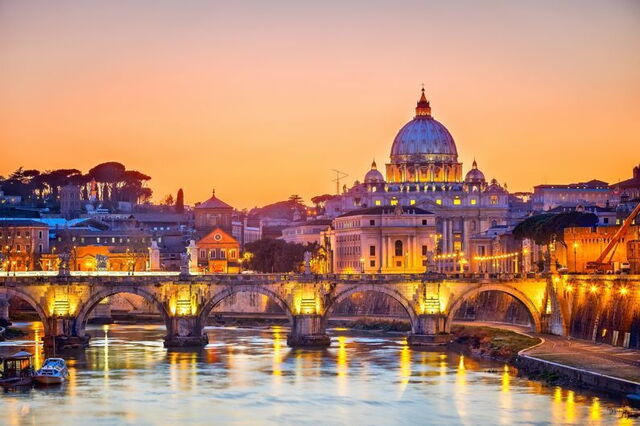
Rome, the "Eternal City", is a place where ancient history blends with modern vitality. Walking through its streets, every corner tells stories of ancient civilizations, iconic monuments and timeless traditions. From the splendor of the Colosseum, a symbol of power and grandeur, to the majestic Roman Forum, the beating heart of ancient Rome, the city offers a fascinating journey into the past.
The Vatican, with its St. Peter's Basilica and Michelangelo's masterpieces in the Sistine Chapel, is one of the most exciting stops for every visitor. But Rome is also lively and dynamic: the squares, such as Piazza Navona and Piazza di Spagna, are the meeting point for locals and tourists, where you can stroll, shop and enjoy an ice cream.
Roman cuisine, rich in traditional dishes such as carbonara and coda alla vaccinara, is another reason why every visit becomes a unique experience. And between one visit and another, the parks and panoramic terraces offer a breath of tranquility, while the sunset over the city gives a magical atmosphere.
Rome is a perfect mix of history, art, culture and daily life that leaves an indelible mark in the heart of anyone who visits it.
Puglia, Bisceglie
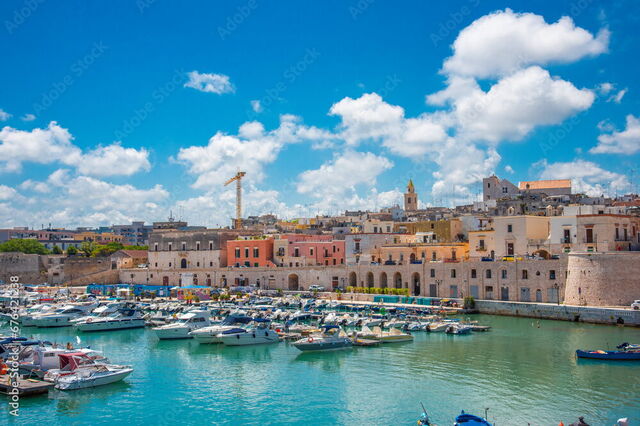
Bisceglie, overlooking the Adriatic Sea, is a picturesque town in Puglia that enchants with its charming historic center, the suggestive port and its thousand-year-old traditions. Walking through its cobbled streets, you can admire splendid historic buildings, such as the Cathedral of San Pietro and the Castello Svevo, which tell the story of the city and its evolution over the centuries.
Bisceglie is also famous for its long sandy beaches and cliffs, ideal for a day of sun and relaxation, with crystal clear waters that invite you to swim. The promenade offers a breathtaking view of the sea, while the numerous restaurants on the port serve local delicacies based on fresh fish.
In the surrounding area, the territory is rich in natural and historical beauties. A few kilometers away is the Alta Murgia National Park, a protected area that offers breathtaking landscapes and hiking trails. In addition, the nearby city of Trani, with its famous cathedral on the sea, is another unmissable stop for lovers of history and culture.
Bisceglie is the ideal place for a holiday that combines history, sea, nature and gastronomy, offering unforgettable experiences in one of the most fascinating places in Puglia.